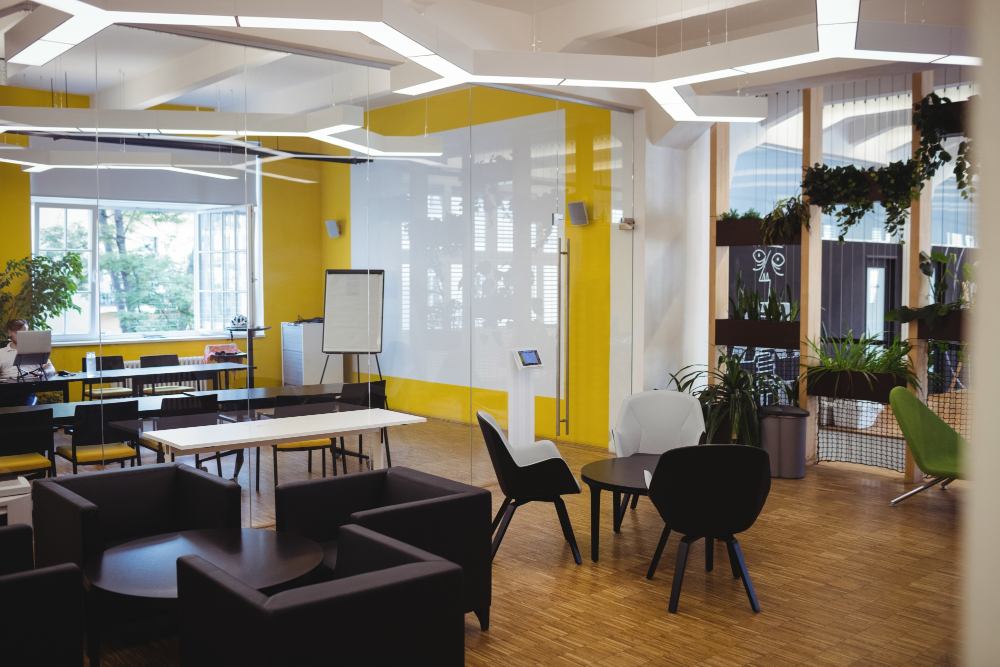
For the past few days, I’ve been pondering the higher ratio of men to women at my air conditioned, comfortable co-working space.
It is a good space with fair amenities. The security is good and the atmosphere is serious, which makes you focus.
As my mind wanders, I begin to wonder if this has any correlation the surging fuel prices. Because, as they say, fuel affects everything?
Here is what I found:
Pakistan relies on a $3B IT and digital services industry to bring in foreign exchange. A large part of this industry is freelancers and home-based workers. When home power outages exceed a certain minimum, external electricity generators come into play and some of these use fuel. When fuel prices escalate, working from home becomes impossible and international clients threaten to drop service vendors. Co-working hubs become the reliability anchors, with centralised backups preserving fuel and productivity.
Also, surging fuel prices mean inflation in economy. According to Zameen’s commercial property index from 2020 to 2024, a median capital appreciation of 124%* occurred in Karachi while Lahore saw a median appreciation on 102.5%*. While rentals do not always directly correlate with land prices, after studying the scantily available evidence online, I can say that the rents moved upwards during the same period and continue to do so, although they vary with location and size of property.
This meant real estate/spaces became less affordable for small to medium sized businesses. The hardest hit are micro businesses who see rentals cut across profits if they were to exist individually. Again, co-working spaces came to the rescue and offered a pleasant alternative to stay afloat without huge overheads.
But all this doesn’t happen without some friction…
To begin with, a decent co-working space lets out space at a minimum of Rs.15k which creates a barrier to entry for businesses and freelancers working on lower rates. While export-focused businesses and freelancers working for foreign clients can pass these costs to foreign clients easily, the local operator is left with shrinking margins. .
And this is where women come into the conversation…
Surging fuel prices hit male and female professionals very differently. Most men can bypass high fuel costs by hopping on a motorbike, but a large chunk of women rely heavily on ride-hailing apps or private cabs. When petrol prices spike, ride fares double, placing a heavy “mobility tax” directly on female commuters- an additional surprise element.
If a female freelancer’s/business owner’s daily commute to a central co-working space eats up a chunk of her earnings, the math stops working. Micro-hubs closer to residential areas might seem like a fix, but proximity alone hasn’t translated into preference.
Smaller neighbourhood hubs lack strict access control and privacy offered by established downtown spaces. As male workers naturally pivot to these smaller spaces, the gender ratio quickly skews, creating an environment that can be intimidating for women. Caught between prohibitive ride fares to major hubs, lower security standards and shrinking margins, many women choose the lesser evil: staying home and absorbing load-shedding costs out of pocket.
Co-working spaces can be more than a sanctuary for those who can afford the costs…
For starters, industry associations (like PAFLA or PASHA) can work with the government to offer co-working spaces subsidised tariffs when they put up a certain floor capacity as a public-good asset (offering free or subsidised desks to entry-level freelancer, women owners/freelancers and local micro entrepreneurs).
Another option could be offering low-cost, off-peak passes, dedicated female-friendly shifts or rotating shifts to fully domestic operations instead of a dedicated seat. This model can be further used by industry co-operatives where multiple firms sign a single lease under a collective cost-sharing agreement.
When fuel prices surge and imported gas carries a prohibitive tag too, the economy doesn’t fracture under the weight- it begins to reorganise.
*These are median of a range of data from 2020-2024 on Zameen’s site. For Karachi a set of 9 values for various commercial areas was available (least 75% for Diamond City, highest 164% for Theme Park Commercial).
For Lahore a set of 12 observations was available (lowest 69% for High Court Phase 2, highest 163% for Johar Town Phase 2 Block J).
Note that this is not the average but an estimated median for the city.
Leave a Reply